LEARN ABOUT
Cellular Release Therapy
Understanding CRT at a Deeper Level

General Questions About Cellular Release Therapy Sessions
-
This kind of work allows the person to go into a very deep and thorough healing process, and helps to resolve things that talk therapy, counseling, EMDR, body work, and other forms of trance work cannot access because they have been suppressed beyond the access of the conscious mind.
These other forms of therapy are very useful to clients, and in some cases necessary, but in our experience, CRT® is also a very effective and thorough way to help a person resolve these less conscious issues.
-
This therapy is best suited for people with unresolved negative experiences, relationships, painful memories, physical or emotional distress, and those who recognize that something is not working well for them in their lives. and would like to see that shift.
This therapy is not suited for those with diagnosed mental illness that have been hospitalized, people who have been suicidal, addicts who are not in recovery, or people who are looking for a quick fix.
-
This is highly dependent on each client and how much they would like to resolve, but in general most people know whether or not this type of work is helpful for them after 3 sessions.
-
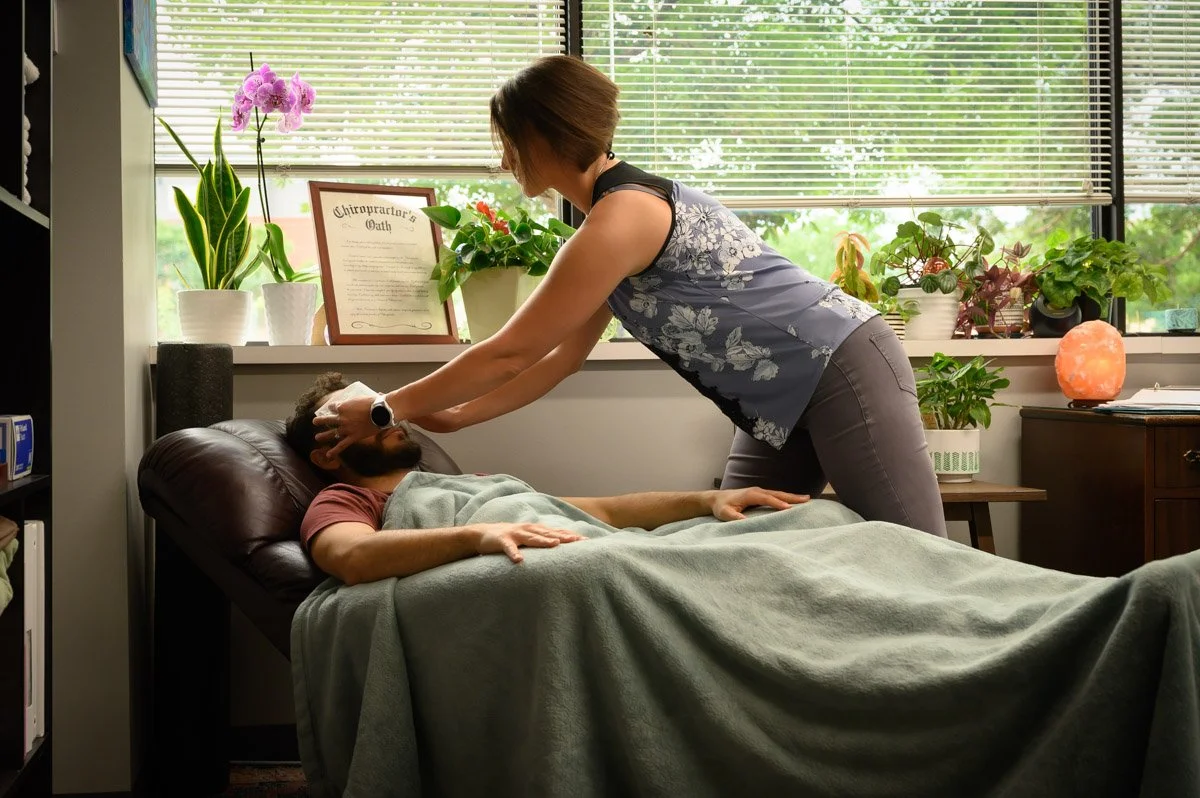
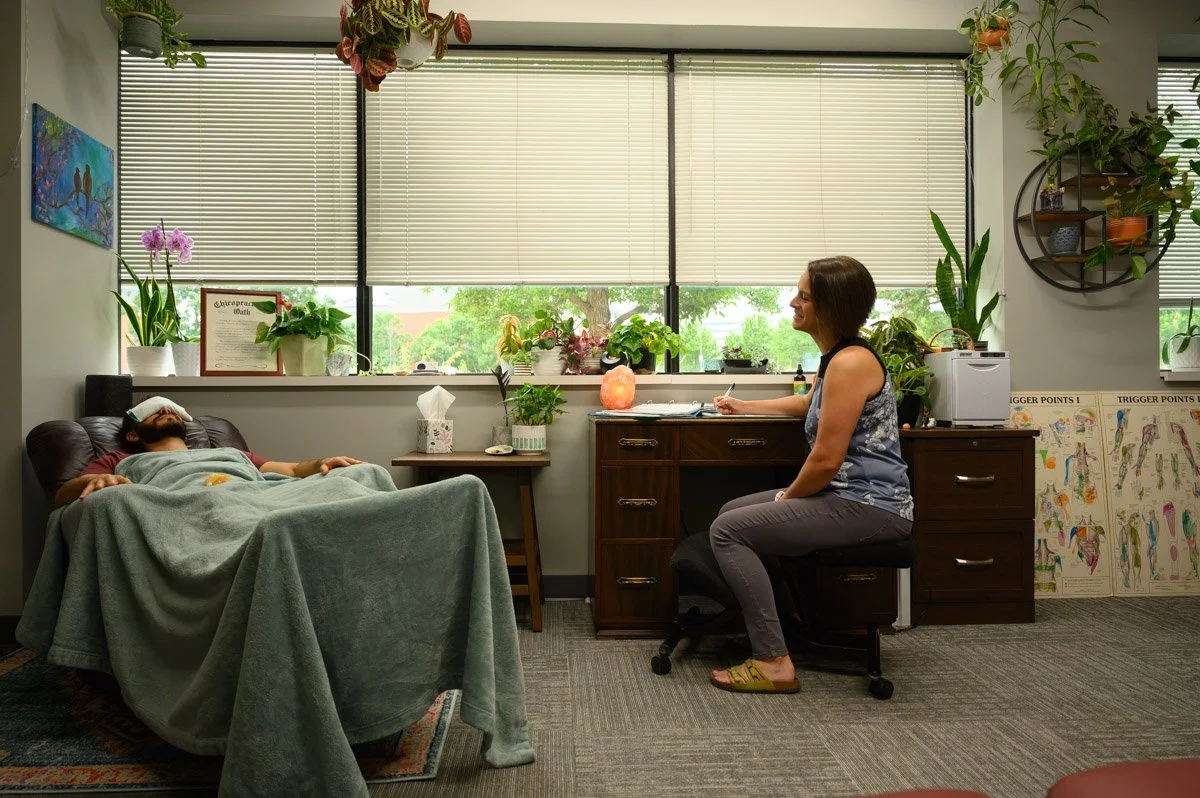
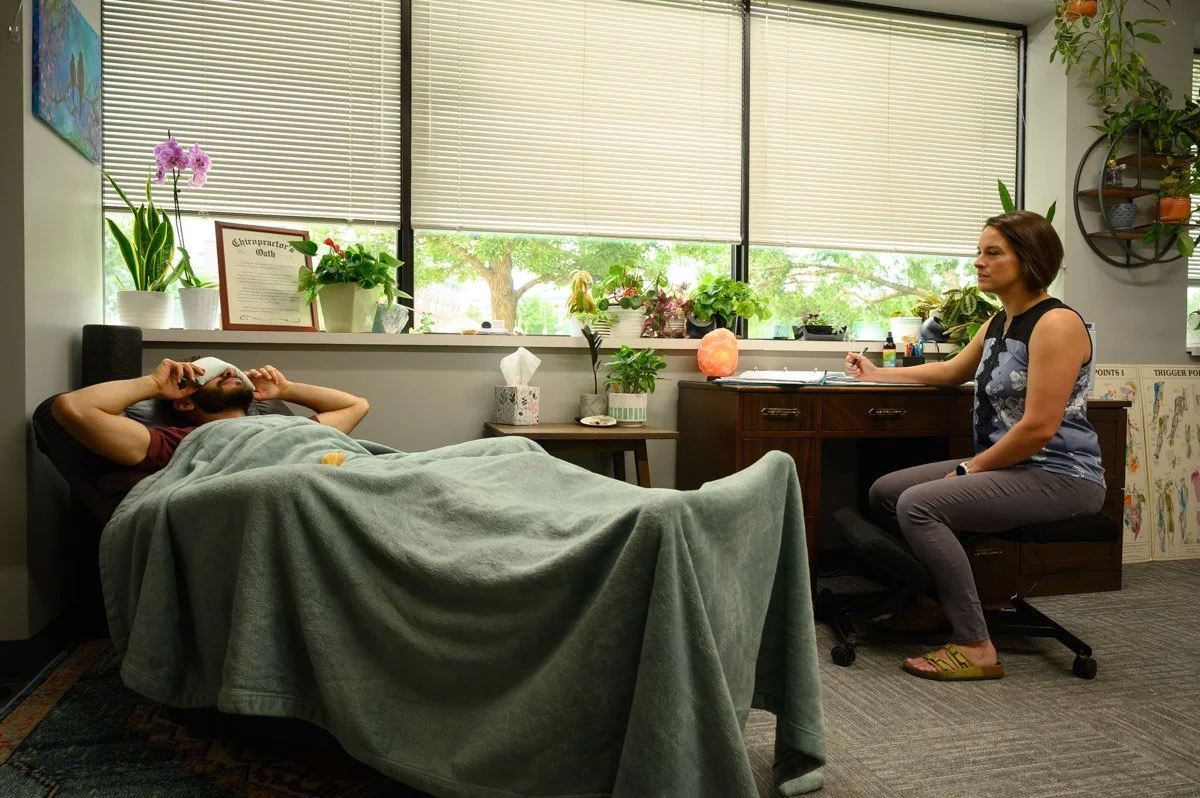
All hypnosis is actually SELF-hypnosis. All healing is SELF healing. This form of therapy uses guided relaxation, in which the client is invited to relax as much as they are able.
Most people are able to sink down into at least a semi-relaxed state, and a lot can be accomplished even if the conscious mind is still active.
-
The facilitator will establish “yes” and “no” fingers at the start of the session, and then ask a series of questions of the client.
When using “yes” and “no” fingers, all the client has to focus on is whether or not the “yes” finger or the “no” finger is light and easy to lift.
Whichever finger feels like lightest and easiest to lift can then be picked up easily and gently and put back down with each question that is asked of the subconscious mind.
-
Some people feel an immediate lightness and ease, and feel more resolved about the event that they were addressing. Other people need a few days for the work to integrate.
Self-care after a session is very important. The therapist may give homework or suggestions for help integrating the work.
-
It is very important for potential clients to understand the limits of the scope of hypnosis and the practitioners at Green Stones Healing.
We are not mental health care providers, and cannot diagnose or treat mental illness.
We are not capable of helping people who are in urgent need of higher levels of care, such as those who are suicidal, in psychosis, or in fragile mental health. If you have any questions about our ability to support you, please reach out for clarification. In some cases, we can support you while working alongside a qualified, licensed mental health care provider.
We function as hypnotists, which simply means that we assist clients in the resolution of their own material by helping them access their inner resources. Hypnotism is used with clients to motivate them to eliminate negative or unwanted habits, facilitate the learning process, improve memory and concentration, develop self-confidence, eliminate stage fright, improve athletic abilities, and for other social, educational and cultural endeavors of a *non-medical* nature.
Victoria Welch performs this work as Unlicensed Psychotherapists. She is listed in the state’s database and authorized to perform psychotherapy in Colorado, but is not licensed by the state and is not required to satisfy any standardized educational or testing requirements to obtain registration from the state.
The Process During a CRT Session
The first CRT® session is always an assessment of life events, life issues, relationships, and what the client specifically identifies as topics that they would like to resolve.
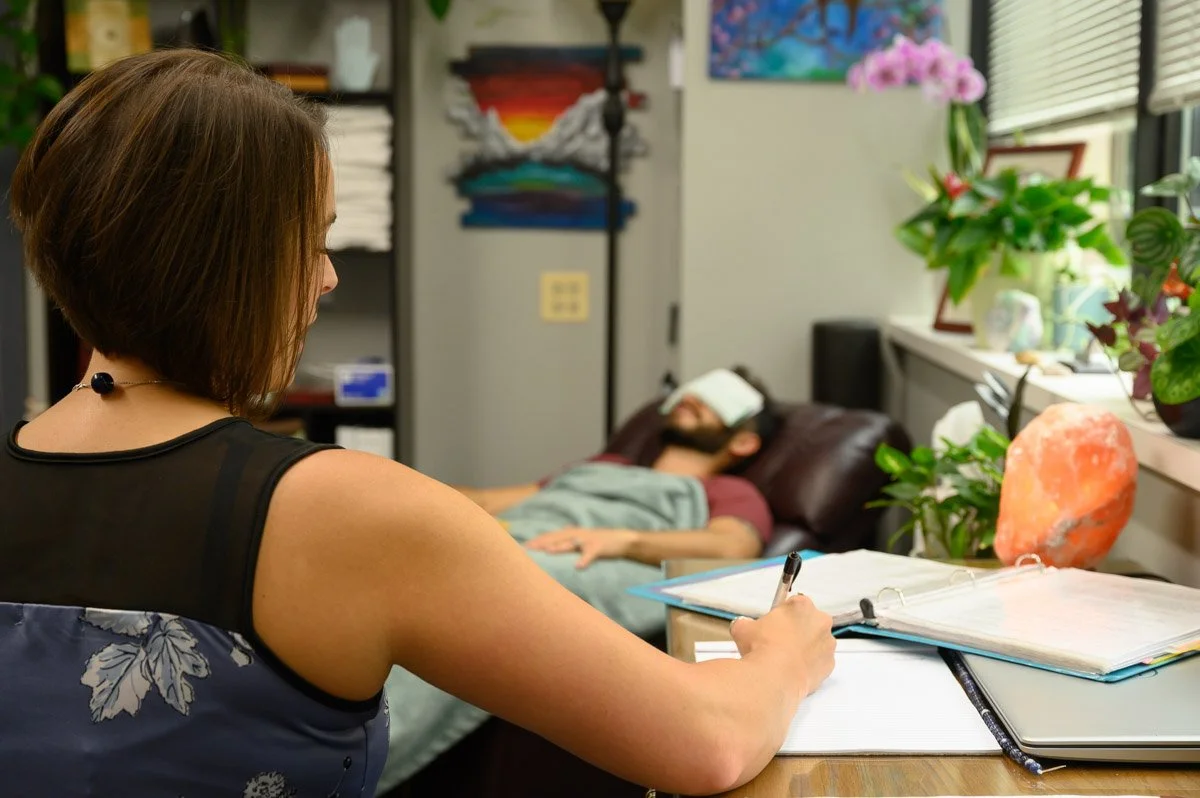
Some hypnosis may occur in this first session, if appropriate. Subsequent sessions involve updating the hypnotist on what the client has noticed between sessions and what new things they would like addressed, followed by more clearing, as appropriate.
During the actual session, the facilitator asks permission from the client’s subconscious mind to release and resolve all residual charge. This is done by establishing “yes” and “no” fingers at the start of the session. Once permission has been received, the hypnotist directs the subconscious mind to release and resolve the item the client wants to feel differently about. This process is not used for memory recall and allows the client to release residual charge from even the most difficult experiences without having to re-live any of the experiences, which makes it an especially powerful technique for clients who struggle to recall their past without suffering.
We do these session in person whenever possible as well as via Zoom, which is HIPAA compliant. Requirements for Zoom sessions include 1) a stable wifi connection, 2) a space with a couch, recliner, or bed to lie down upon that can be seen easily from the camera on the computer, and 3) two hours of quiet time. It is better to use a computer or tablet rather than a phone during these sessions, as incoming calls may interrupt the session and bring the client out of the deeply relaxed state that is helpful for doing this kind of inner self-healing.
Resolving Difficult Experiences
Unfortunately, we live in a world in which it’s often not ok to feel certain feelings and definitely not ok to express them. We are conditioned in childhood via many sources to hide our real feelings, to suppress them, and sometimes, to medicate them with food, alcohol, self-mutilation, and other compulsive behaviors. The difficult experiences that we have at any point in our lives, but especially in childhood, are buried alive unless we decide that we want to resolve them. A landmark research study done in the 1990s at Kaiser Permanente found links between childhood trauma and serious medical conditions and continued trauma into adulthood. (full study here)
Adverse childhood experiences (ACEs) are stressful or traumatic events, including abuse and neglect. They may also include household dysfunction such as witnessing domestic violence or growing up with family members who have substance use disorders. ACEs are strongly related to the development and prevalence of a wide range of health problems throughout a person’s lifespan, including those associated with substance misuse.
ACES INCLUDE:
Physical abuse
Sexual abuse
Emotional abuse
Physical neglect
Emotional neglect
Mother treated violently
Substance misuse within a household
Household mental illness
Parental separation or divorce
Incarcerated household member
As the number of ACEs increases, researchers found an increased risk for the following:
Alcoholism and alcohol abuse
Chronic obstructive pulmonary disease
Depression
Fetal death
Illicit drug use
Ischemic heart disease
Liver disease
Poor work performance
Financial stress
Risk for intimate partner violence
Multiple sexual partners
Sexually transmitted diseases
Smoking
Suicide attempts
Unintended pregnancies
Early initiation of smoking
Early initiation of sexual activity
Adolescent pregnancy
Risk for sexual violence
Poor academic achievement
A major part of the healing process is investigating and discovering what in your life has been and is currently bringing you pain, and dismantling all of the causes for having these types of experience. We have an opportunity to take responsibility for what is happening in our own lives and engage in a self-healing process that helps us to feel better about our past and our present. It is very empowering to realize that we can DO something about what we are experiencing, rather than continue to feel victimized by it.